
Discover · Provence
The colours of Provence
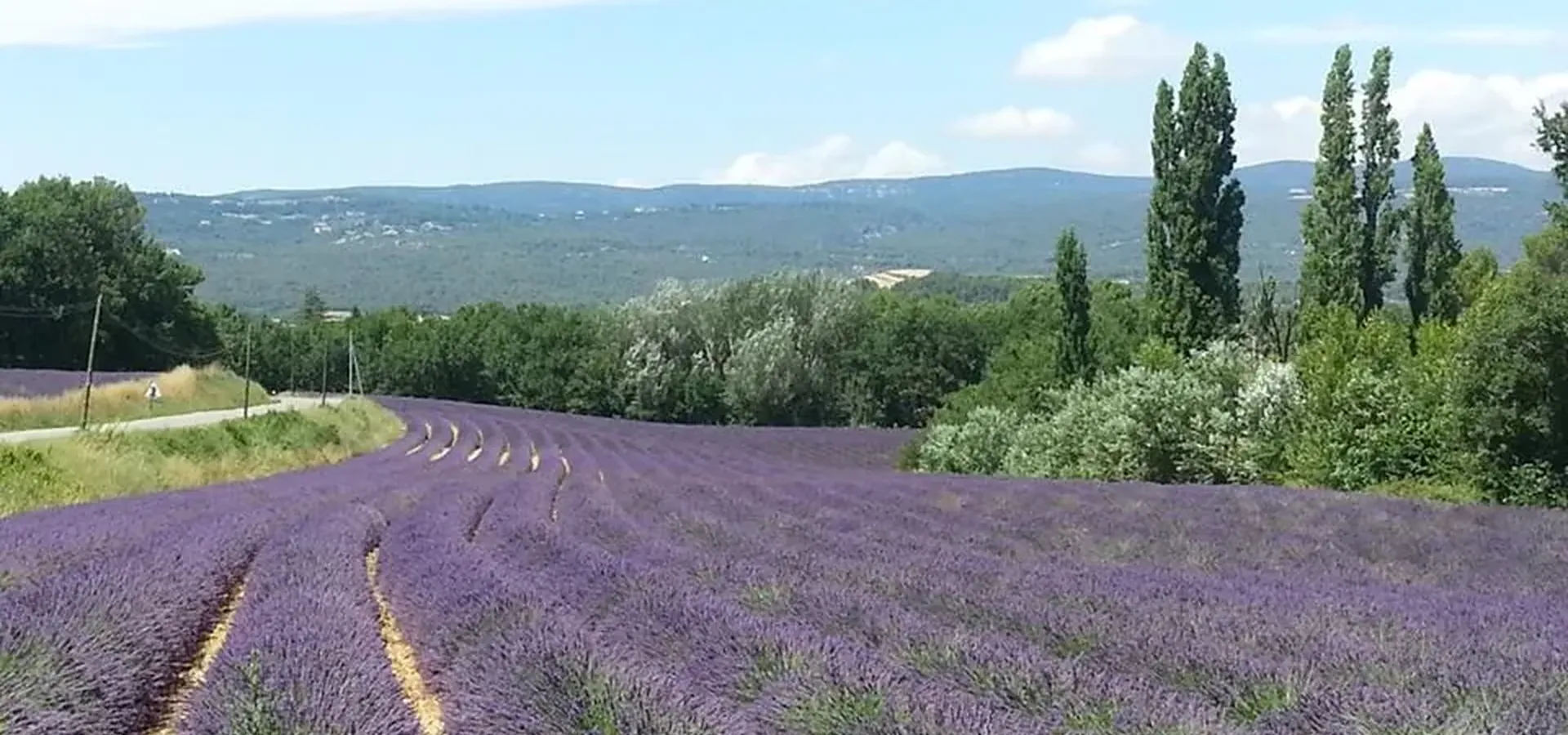
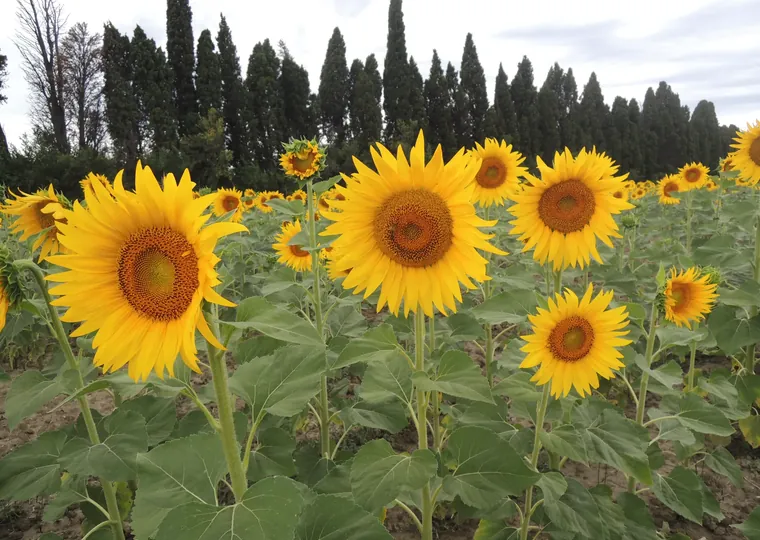
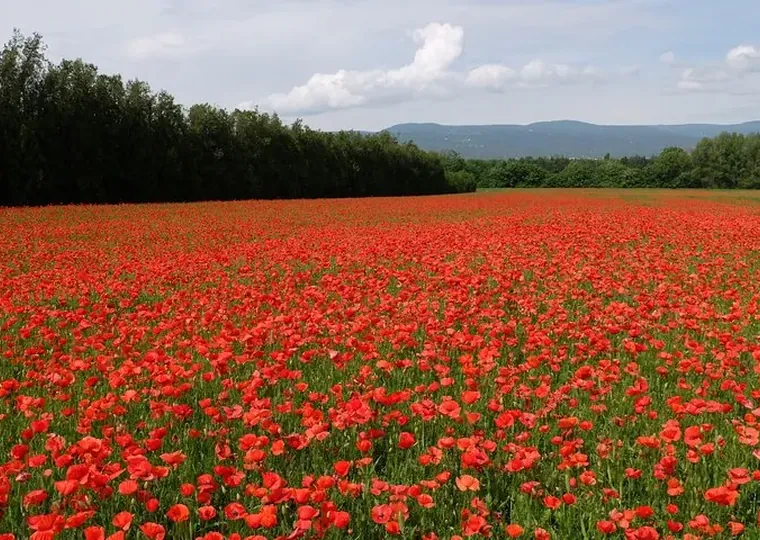
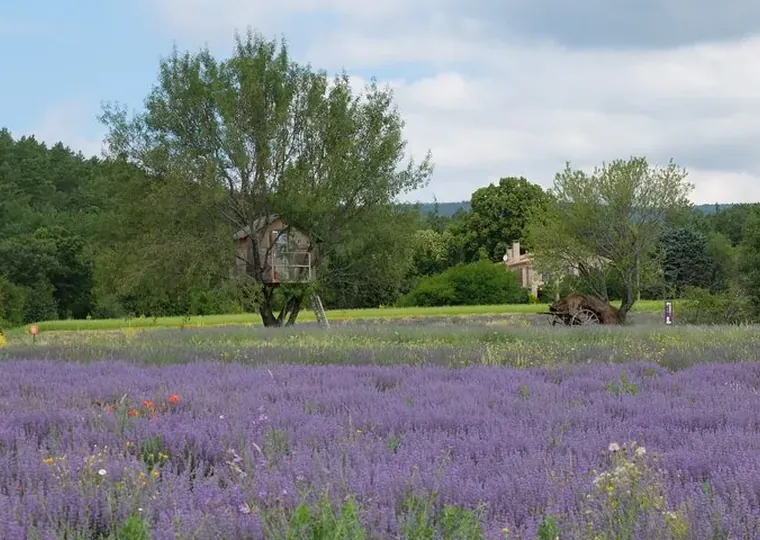
The blue gold of lavender, the gold of sunflowers, the red of poppies.
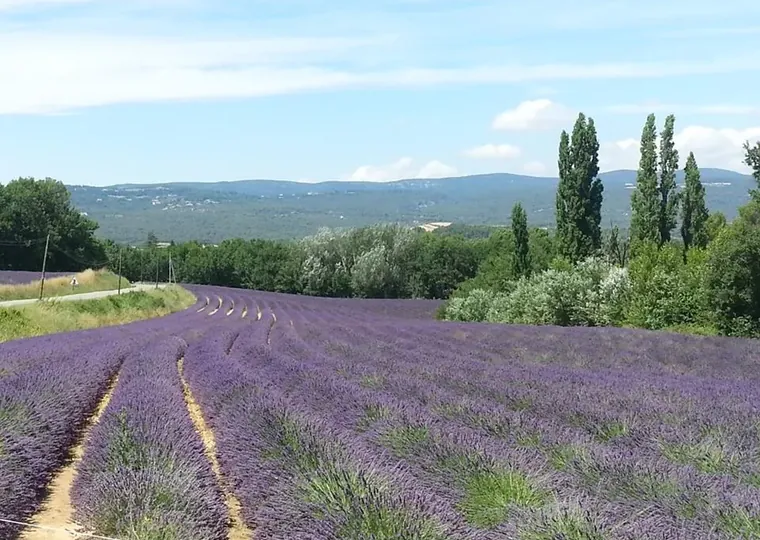
Provençal lavender is an iconic symbol of this picturesque region of southern France. Its purple fields stretching as far as the eye can see offer an enchanting spectacle and a captivating fragrance. Used for centuries for its soothing, aromatic properties, Provençal lavender draws visitors from around the world, who come to discover its essence at dedicated festivals or to wander through these scented expanses.
About sunflowers and lavender
The season runs from mid-June to mid-August. Here are a few important things to know.
Regarding lavender, no true lavender is grown in the Luberon valley, contrary to what some operators claim: only lavandin, because of the altitude. The lavender fields closest to Avignon lie in the shadow of Mont Ventoux, in the valley near the village of Sault, the capital of lavender.
Lavender belongs to the mint family. There are around twenty varieties, but only three are grown commercially in Provence. Two of them, native to Iran and the Canary Islands, are said to have been brought to the European continent by the Phoenicians, the first inhabitants of present-day Marseille.
The first, true lavender (Lavandula angustifolia), is also called fine lavender, or female lavender. It grows between 800 and 1,300 metres and is the only one whose oil is used for medicinal purposes.
The second, spike lavender (L. latifolia), is also known as male lavender. It grows at altitudes of 600 to 800 metres, bears several flowers per plant and gives off a strong camphor scent.
Finally, lavandin (L. hybrida) is a hybrid of the other two. Sterile, it is propagated by cuttings and can be grown at a much lower altitude than lavender. Provençal growers began cloning it in the 1920s; it now accounts for 80% of plantations. Its yield is normally four to five times that of true lavender, and its essential-oil yield can be ten times higher.
The endless fields of beautiful flowers most people see in Provence are in fact lavandin, not lavender.
The high-plateau lands, once considered worthless, have been cleared, and much of today's lavender production is found there. Lavender prefers acidic, rocky and sandy soils. It grows happily along roadsides, in gravel car parks and in other seemingly barren areas.
Provence also has a wild lavender, French lavender (L. stoechas), which grows on mountain plateaus above 800 metres. Never cultivated, it is always harvested by hand, and its essential oil commands high prices among perfumers.
Please note: if you wish to see true lavender, the driving time to reach the high mountains will exceed the length of a half-day excursion.
Keen to see the fields in bloom?
Lavender, sunflowers, poppies: we time your outing for peak season.
Request a quote