
Discover · Provence
The Vaucluse
In the heart of Provence, hilltop villages, ancient sites and exceptional heritage.
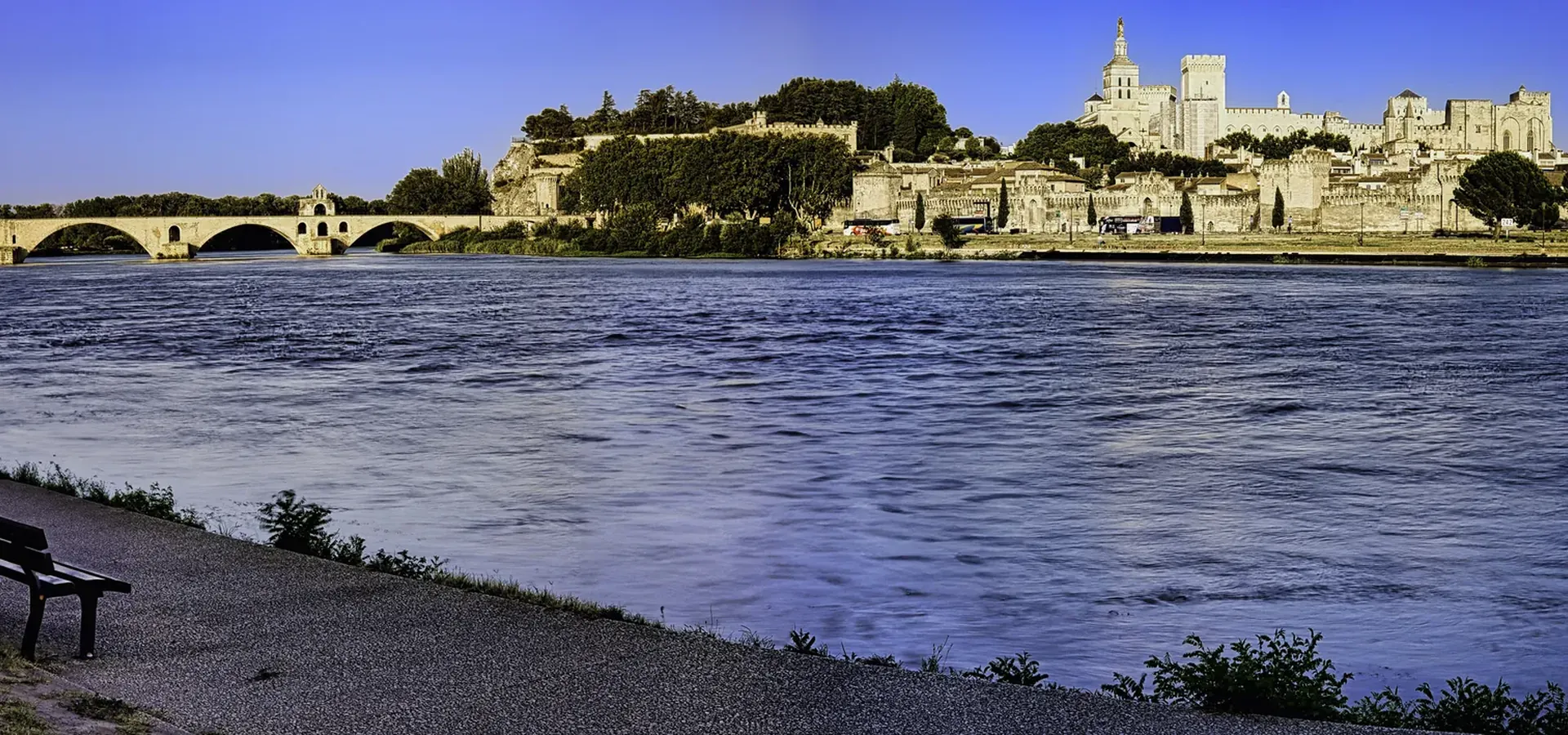
The Vaucluse, in the heart of Provence, is a region steeped in charm and history. With its picturesque landscapes, hilltop villages such as Gordes and Roussillon, and iconic sites like the Palais des Papes in Avignon and the Pont du Gard, it draws visitors from around the world to discover its exceptional heritage and Provençal cuisine.
Avignon
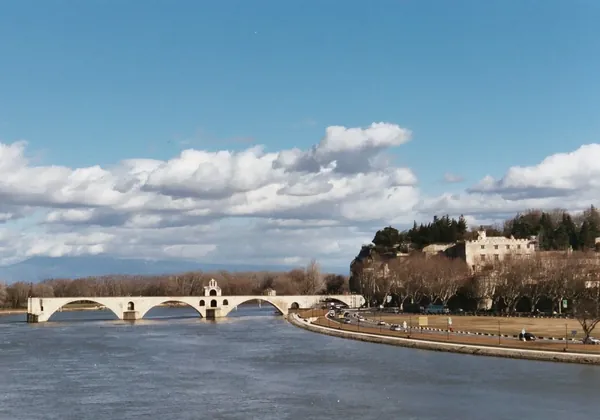
Since Neolithic times (3000 BC), Avignon has always been a crossroads of trade, art, culture and winegrowing. Its history is long and rich: a Celto-Ligurian capital, a Phoenician colony with its own currency (AOYE), then a wealthy Roman colony, Avenio, under Emperor Augustus; a Latin colony under Claudius, before becoming a Roman city in the 2nd century under Hadrian.
In the Middle Ages, in 1309, Pope Clement V (from Bordeaux) was elected and settled in Avignon. With Rome unsafe, the popes succeeded one another here for nearly a century. Avignon became the cultural, spiritual, economic and political capital of Christianity in Europe, and one of the most populous and wealthy cities of medieval Europe.
Book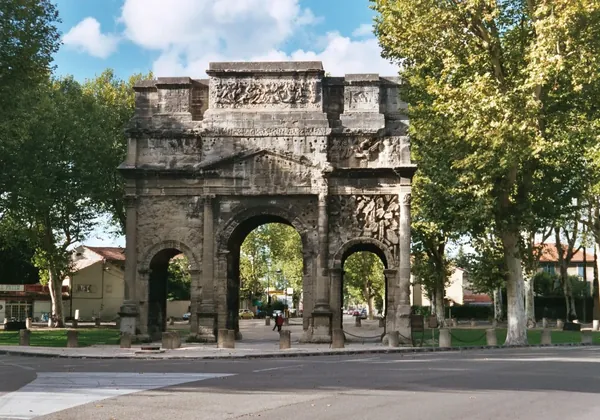
Orange
Orange ("Arausio") was founded by Roman legionaries around 30-35 BC. In the Middle Ages, the Counts of Orange grew increasingly important on the political stage.
Orange became a principality with a parliament and a prince, William III, future King of England. Its citadel-palace was destroyed by Louis XIV, who spared the great wall of the amphitheatre. Today you can still admire the Roman Triumphal Arch (AD 19) and the best-preserved ancient Roman theatre in the Western world, 103 m long and 36 m high.
Book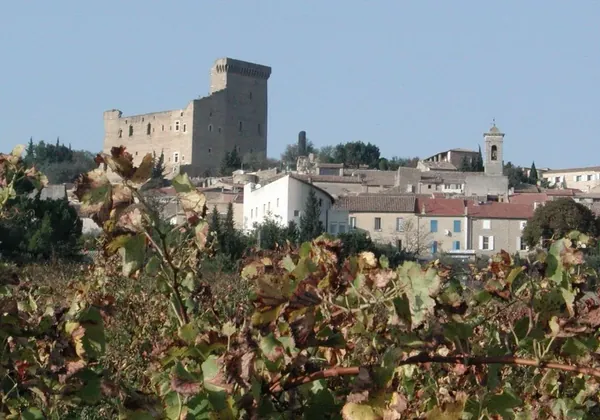
Châteauneuf-du-Pape
Between Avignon and Orange, Châteauneuf-du-Pape sits at the foot of the papal castle ruins and overlooks the Comtat plain with its 3,000 hectares of vineyards. The village is devoted to wine, famous worldwide under the "Châteauneuf-du-Pape" appellation, among the Côtes du Rhône.
In the 14th century, the wine-loving Pope Clement V planted vines on this stony land; his successor John XXII chose Châteauneuf as a summer residence. Long kept secret, the wine became renowned in the 18th century, and the famous appellation was granted in 1929.
Book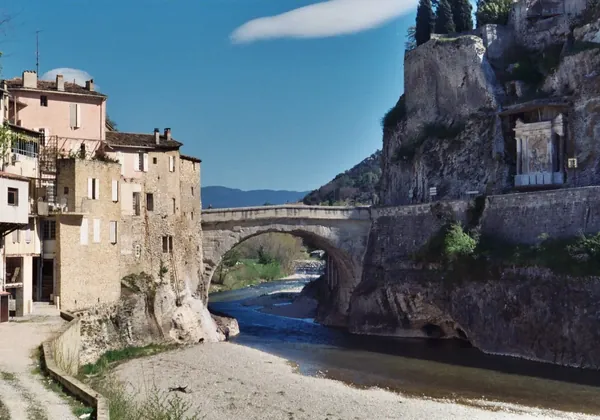
Vaison-la-Romaine
Vaison-la-Romaine is a small town full of charm and history, split into three parts and linked by a two-thousand-year-old Roman bridge. The modern lower town sits beside major Roman sites: the amphitheatre, ancient shops and superb statues.
The medieval town, perched on the hill, offers its panorama, castle, winding cobbled streets and pretty fountains, where the inhabitants took refuge from invasions after the fall of the Roman Empire.
Book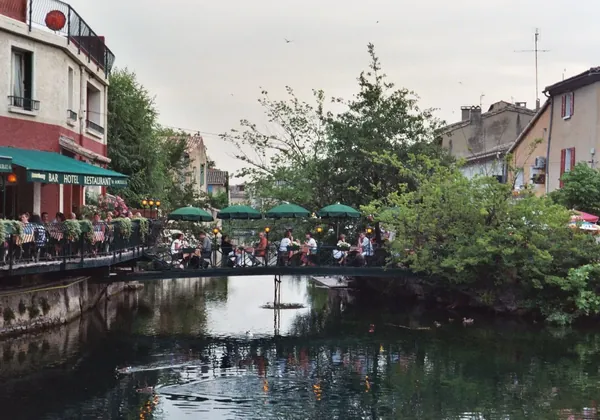
L'Isle-sur-la-Sorgue
L'Isle-sur-la-Sorgue is a wonderful Provençal town of 18,000 inhabitants, in the Comtat Venaissin which, since the French Revolution, bears the name of the Vaucluse department (Vallis Clausa). The old town, crossed by many canals, owes its charm to a system of waterwheels still turning today.
Its Sunday Provençal market, superb antique shops, church and silver tower bear witness to a very rich past.
Book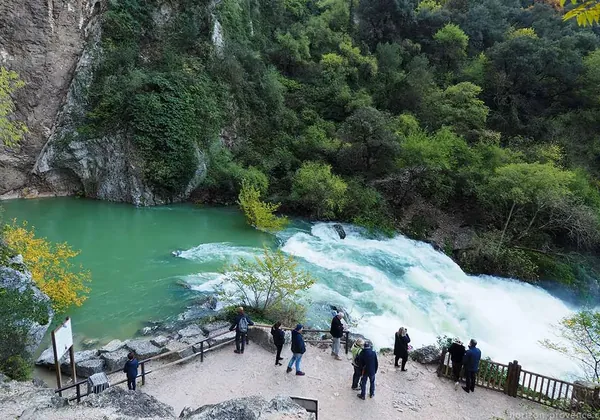
Fontaine-de-Vaucluse
A few minutes from L'Isle-sur-la-Sorgue, the Fontaine de Vaucluse, a striking natural site, springs from the foot of a cliff. Some consider it the eighth wonder of the world. Its resurgent spring gives birth to the Sorgue, yet its exact underground origin remains a mystery.
At certain times of year it produces more than 150 m³ of water per second and the landscape becomes magical. The village, covered year-round in lush vegetation, was dear to the poet Petrarch, Bishop Philippe de Cabassole and the scandalous Marquis de Sade.
BookKeen to explore the Vaucluse?
Let's design your private excursion together, at your own pace.
Request a quote